- info@umbandcoding.com
- 201-942-0949
Durable medical equipment (DME) suppliers lose revenue to denials at a higher rate than most other providers — and most of those denials are not mysteries. They come from a short, repeatable list: an order that does not meet the payer’s documentation rules, proof of delivery that is missing or incomplete, a benefit that does not cover the item, or a medical-necessity case that was never fully documented. If you supply wheelchairs, hospital beds, oxygen equipment, CPAP devices, orthotics, or diabetic supplies, learning the handful of codes behind DME billing denials will do more for your cash flow than chasing individual claims one at a time. This guide explains the six codes DME suppliers see most, what each means, and the exact fix for each — plus the documentation kit that prevents most of them. Getting this right is core work for medical billing services that serve DME suppliers, because in this specialty, clean documentation is the claim.
Most medical billing is paid on the strength of a visit note and a diagnosis code. DME billing is paid on the strength of a paper trail: proof that a physician ordered the equipment, that the patient needs it, that the patient actually received it, and that the item supplied matches the item ordered. If any link in that chain is missing, the claim denies — even when the patient genuinely needed and received the equipment.
That chain is also where DME differs from a typical office claim. The ordering provider, the supplier, and the patient are often three different parties, and the documentation lives in three different places: a perfect delivery record with no signed order on file, a chart that documents necessity but no detailed written order, or a flawless order with unsigned delivery proof. Each gap produces a different denial code — and a different fix. Denials also compound, because many DME items are rented month to month: a documentation problem on the first claim often repeats on every rental claim that follows, so fixing the underlying document once can clear a whole series.
Use this table as a triage reference: find the code, then jump to the matching fix in the next section.
| Denial code | What the payer is saying | Most common DME cause |
|---|---|---|
| CO-16 / M60 | Claim lacks information; the certificate of medical necessity is missing, incomplete, or invalid | Missing or outdated medical-necessity documentation |
| CO-16 / N350 | Claim lacks information; the detailed written order is missing, incomplete, or invalid | Order missing a required element or signed after delivery |
| PR-204 / N130 | The item is not covered under the patient’s current benefit plan | Benefit exclusion, capped rental, or non-covered item |
| CO-252 | Additional documentation is required to adjudicate the claim | Payer requested records that were never sent or were incomplete |
| CO-50 | The service is not deemed medically necessary by the payer | Chart notes do not support the item, quantity, or frequency |
| CO-197 | Required precertification, authorization, or notification is absent | Item delivered before authorization was obtained |
Note: CO-16’s remark code tells you which document is missing — always read the full code pair — and the “PR” in PR-204 means patient responsibility, so the balance may shift to the patient.
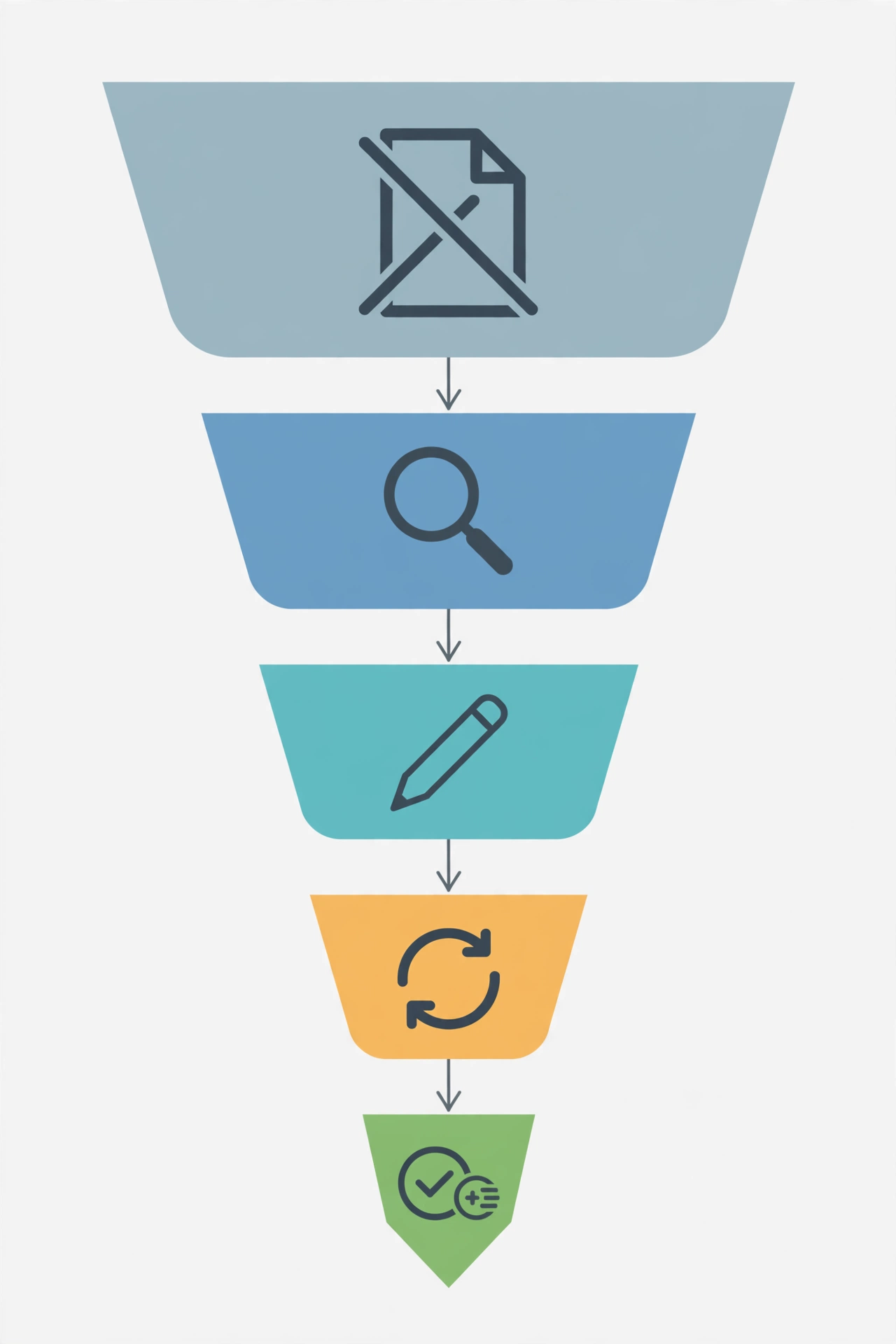
Each fix below follows the same pattern: cause, what to gather, and how to resubmit or appeal. Do not resubmit an unchanged claim — payers deny it for the same reason, and repeated submissions can age it past its appeal deadline.
What it means. The payer cannot verify medical necessity from the documentation on file. Historically this pointed to the Certificate of Medical Necessity (CMN) form; today, Medicare and many commercial payers rely instead on the detailed written order plus the treating physician’s records, but the denial means the same thing: the necessity case is not documented well enough to pay.
How to fix it. Gather the treating physician’s chart notes from the face-to-face encounter that support the item, confirm the diagnosis and clinical reason, and make sure the order matches the item delivered. If a payer still requires its own CMN-style form, complete every field, then submit a corrected claim or appeal with the supporting records attached.
What it means. The detailed written order (DWO) — the document authorizing the supplier to deliver a specific item — is missing, incomplete, or was not in place before delivery. A verbal order, a prescription note without the required elements, or an order signed after delivery all trigger this code.
How to fix it. Check the DWO against the payer’s required elements: patient name, ordering physician name and NPI, order date, item description, quantity, and physician signature. The order date must be on or before delivery. If an element is missing, obtain a corrected order from the ordering provider — do not backdate one, as backdating creates a compliance problem far worse than a denial. Then submit it with a corrected claim and file a copy so the next rental claim does not deny for the same reason.
What it means. The patient’s plan does not cover this item, this version of the item, or further rentals of it. Common triggers include a plan that covers a standard wheelchair but not a power model, a capped-rental item that has reached its rental limit, or a benefit that excludes the item entirely.
How to fix it. Verify the benefit before you appeal: confirm exactly what is excluded and why. If the item is genuinely non-covered, use a patient-responsibility process with a signed waiver where required — an appeal arguing medical necessity will not override a benefit exclusion. If the denial is wrong — for example, the plan covers the item but the claim coded a different model — correct the HCPCS code and resubmit. The lasting fix is verifying benefits and rental caps before delivery, every time.
What it means. The payer needs more records to decide the claim and has not received them, or received only part of them. This is often a follow-through failure: the payer sent a documentation request, and the response was late, incomplete, or sent to the wrong fax number or portal.
How to fix it. Find the payer’s original request and match your response to it item by item — chart notes, order, delivery proof, and any prior authorization. Send the complete package in one submission through the payer’s requested channel, and keep the transmission confirmation. If the deadline has passed, call the payer, ask whether the claim can be reopened, and note the representative’s name and reference number. Then give every documentation request a named owner and a due date within 48 hours of receipt.
What it means. The payer reviewed the clinical documentation and decided the item, quantity, or frequency is not medically necessary. Unlike CO-16/M60, where documentation was missing, here the payer has the documentation and still disagrees — typically because the diagnosis does not support the item, the quantity exceeds a utilization guideline, or a replacement was requested before the reasonable useful lifetime passed.
How to fix it. Appeal with a stronger clinical case, not just the same notes. Ask the ordering physician for a letter of medical necessity that ties the diagnosis to the specific item, explains why a cheaper alternative will not work, and addresses the payer’s stated reason directly, with objective findings — mobility assessments, failed conservative treatments, or test results — rather than conclusions alone.
What it means. The payer required prior authorization for the item and none was on file when the claim was submitted. This is one of the hardest denials to fix after the fact, because the authorization was supposed to come before delivery.
How to fix it. Check first whether the payer allows a retroactive authorization — some do within a short window, and some do not. If it is available, request it immediately. If not, the claim may need to be written off or billed under the patient’s responsibility rules, depending on the payer contract and whether the patient was notified. The lasting fix is a pre-delivery check: no item requiring authorization leaves the warehouse until the authorization number is on the order.
Most of the six codes above trace back to the same missing paperwork. Before any item is delivered, the file should contain these four things.
Think of the kit as the claim’s evidence file, not as administrative overhead. Suppliers that complete it before delivery see denial rates fall across all six codes at once, because the same kit prevents all of them. If denials have already aged, work the oldest claims first, before timely filing deadlines close the door — see our timely filing limits by payer reference and our guide to recovering old medical AR.

Run this checklist before the claim leaves your office — it catches nearly every error in this article.
CO-16, in its various forms, is the most common family of DME denials, because it covers any claim that lacks information or contains a billing error. The remark code paired with it — M60 for medical-necessity documentation or N350 for the detailed written order — tells you which document is missing, so always read the full code pair.
Usually not. Once the timely filing window closes, a corrected claim or appeal will typically deny as untimely regardless of the original issue. That is why DME denials should be worked within days of receipt — especially documentation denials, which need time to gather records.
Proof of delivery is a signed, dated record showing that the patient received the item — typically a delivery ticket signed by the beneficiary or their designee, with the item description and delivery date. For shipped items, delivery confirmation and tracking records serve the same purpose.
Yes. Delivery alone does not make a claim payable. The payer also requires a valid order before delivery, documentation of medical necessity, any required authorization, and proof of delivery — and a claim can deny on any one of those grounds.
Check immediately whether the payer allows retroactive authorization and request it if so. If not, review the payer contract and patient-notification rules to determine whether the balance can be billed to the patient or must be written off — and put a pre-delivery authorization check in place so it does not happen again.
DME denials almost always reduce to one question: can you prove, with documents dated before delivery, that the right item was ordered for the right patient for a documented medical reason, authorized where required, and actually delivered? Suppliers that build that proof into intake keep more of the revenue they have already earned. If your DME claims are denying on documentation, authorization, or medical necessity, UMB and Coding can review your DME billing end to end. Call (201) 942-0949 or request a free billing review.


Leave a comment